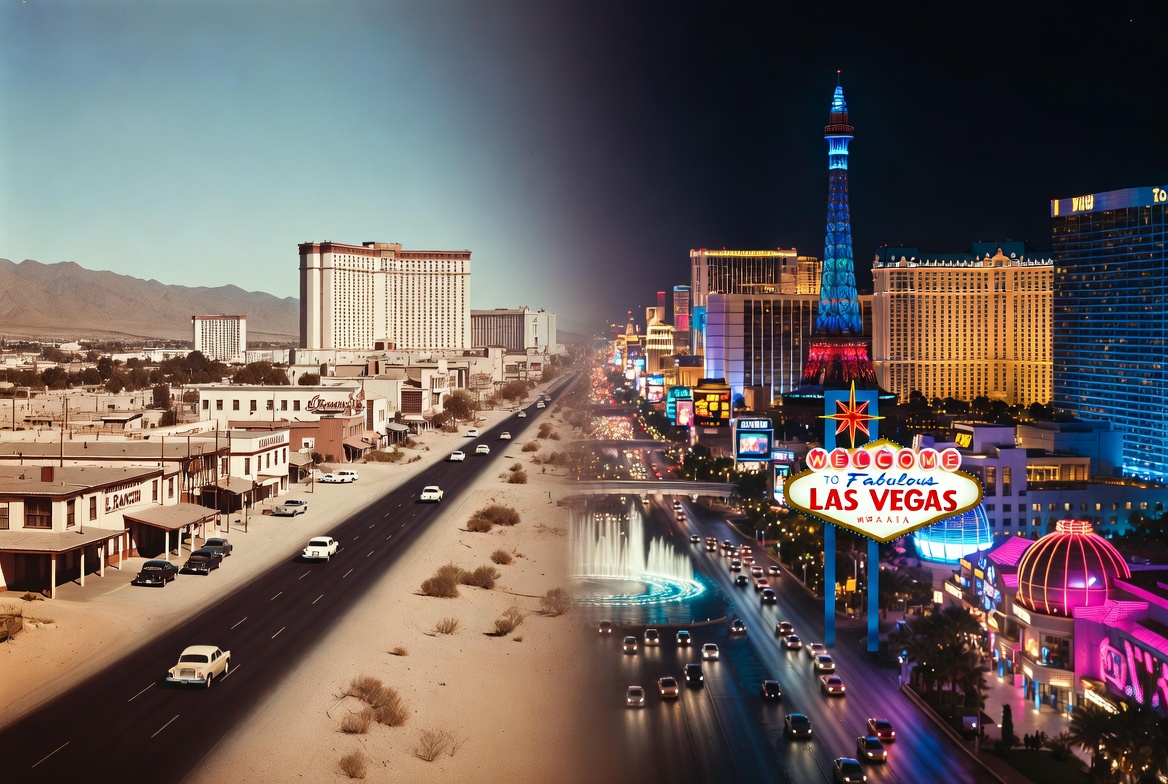
If you’ve ever strolled under the bright lights of the Las Vegas Strip, surrounded by towering resorts, fountains, and that unmistakable buzz of excitement, it’s hard to imagine this world-famous stretch was once just a lonely two-lane desert highway. Yet the story of the Las Vegas Strip is one of the most captivating in American history—a wild ride of visionaries, mobsters, dreamers, and billion-dollar bets that turned empty sand into the entertainment capital of the world. At MrLasVegas.com, we love sharing this story because it’s the heartbeat of every unforgettable Vegas trip.
The Las Vegas Strip—that iconic 4.2-mile stretch of Las Vegas Boulevard South in unincorporated Clark County—didn’t earn its glamorous name by accident. Legend credits former Los Angeles police officer Guy McAfee, who fled to Vegas in the late 1930s after some shady dealings back home. He bought the Pair-O-Dice Club (one of the earliest roadside gambling spots) and renamed the area after his old haunt, the Sunset Strip in Hollywood. The name stuck, and so did the dream.
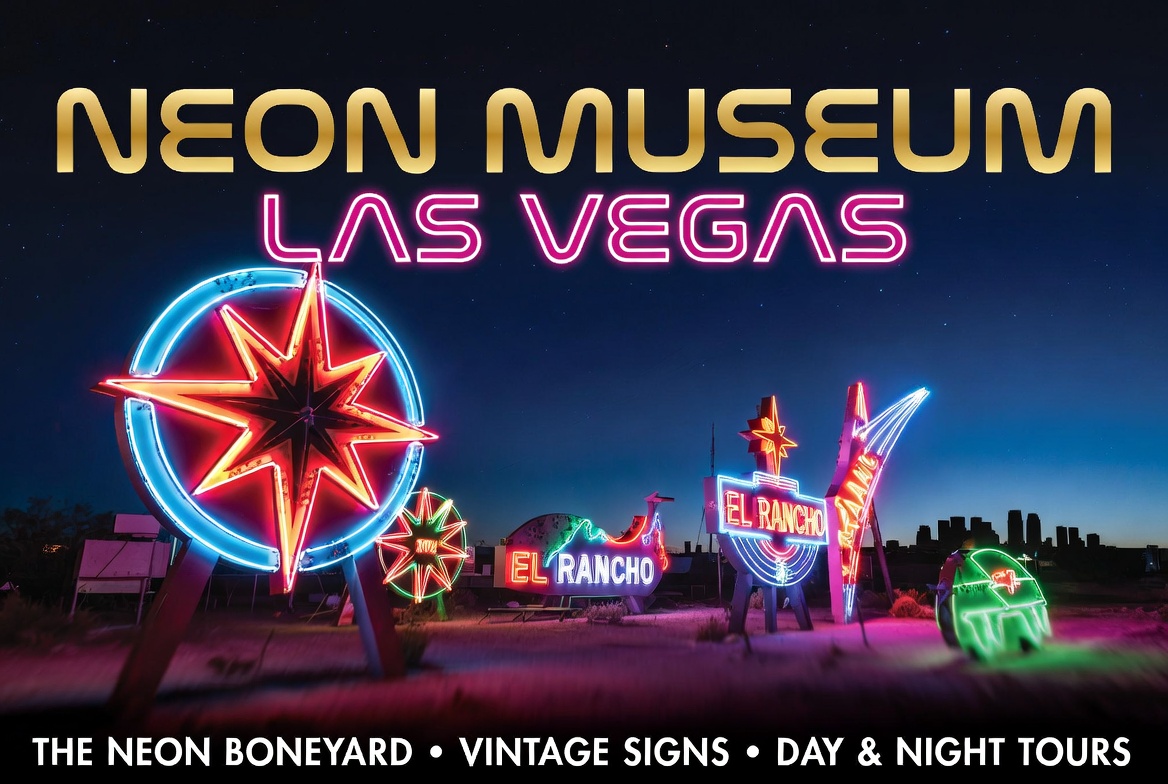
The real transformation began in 1941. That’s when California businessman Thomas Hull opened the El Rancho Vegas, the first true hotel-casino resort on what we now call the Las Vegas Strip. With its Western-style windmill, blooming gardens, and swimming pool, it was a game-changer. Guests didn’t just gamble—they stayed, relaxed, and partied under the desert stars. The Hotel Last Frontier followed in 1942, and suddenly this dusty stretch of Highway 91 had momentum.
Then came the man who forever changed the Las Vegas Strip: Bugsy Siegel. In 1946, the infamous mobster poured (and some say skimmed) money into the Flamingo Hotel and Casino. The December opening was a flop—too much glitz, too few guests—but when it reopened in March 1947, the Flamingo became the blueprint for everything that followed: lavish rooms, big-name entertainment, and that over-the-top Vegas vibe. Mob money flowed in during the 1950s, funding icons like the Desert Inn (1950), Sands, Sahara, Dunes, and Stardust. The Rat Pack, showgirls, and celebrity sightings turned the Las Vegas Strip into a playground for the rich and famous. Even the Moulin Rouge in 1955 made history as the first racially integrated casino on the Strip.
By the 1960s, the Las Vegas Strip was booming with themed resorts. Caesars Palace (1966) brought ancient Rome to the desert, while Circus Circus (1968) added family-friendly fun under the big top. Howard Hughes quietly bought up properties, signaling the slow shift from mob control to corporate respectability. The famous “Welcome to Fabulous Las Vegas” sign went up in 1959, forever marking the southern gateway.
The 1970s and ’80s brought challenges—like the tragic 1980 MGM Grand fire—but also big changes. Federal crackdowns on organized crime opened the door for legitimate business. Then, in 1989, Steve Wynn’s Mirage exploded onto the scene with its erupting volcano, white tigers, and family appeal. It kicked off the mega-resort era that defined the modern Las Vegas Strip. The 1990s saw the Luxor pyramid, Excalibur’s castle, the Bellagio’s fountains, and the Venetian’s canals. What started as a few roadside casinos became a glittering skyline of themed wonderlands.
Today, the Las Vegas Strip continues to evolve while honoring its wild past. From the opulent mega-resorts to innovative attractions, it’s still the place where anything feels possible. The mob era is long gone, but that spirit of bold risks and bigger rewards lives on in every flashing light and ringing slot machine.
Next time you visit, take a moment to appreciate the history under your feet. The Las Vegas Strip isn’t just a road—it’s a legend built one daring dream at a time. Whether you’re booking shows, hotels, or planning your perfect Strip adventure, MrLasVegas.com is here to help you experience it all. After all, understanding where the Las Vegas Strip came from makes every moment on it even more magical.